
Same-day access is available. Call Now For Availability.
Minnesota-Based Addiction Recovery Treatment Center
Compassionate, family-centered addiction and mental health treatment designed to help you heal, rebuild, and reclaim your life. Inpatient & Outpatient services available, start when you're ready.

In-Network With Most Major Insurance Providers





Same-day Access is Available. Call Now For Availability.
Start your recovery journey when you’re ready, every moment matters.
At Recovering Hope, we provide a supportive, structured environment where women or men can step away from chaos and begin healing. Our programs are designed to treat the whole person—mind, body, and spirit, while helping you build a foundation for lasting recovery.

Licensed, Experienced Clinical Team
Licensed professionals committed to compassionate, evidence-based care.
Individualized Treatment Plans
No two journeys are the same, your care is tailored to you.
Family-Centered Care
We support not just the individual, but the entire family system.
On-Site Childcare
Mothers can focus on recovery knowing their children are safe and cared for.
Same-day Access is Available. Call Now For Availability.
Learn More About Our Programs

Residential Services
A safe, immersive environment where women can focus fully on healing with 24/7 support, therapy, and structure.
Insurance Verification and Financial Options
- Our admission specialists will verify your insurance coverage and discuss any financial obligations associated with the program.
- We’re committed to ensuring transparency regarding costs and assisting you in understanding your coverage options.
Guidance and Expectations
- You’ll receive detailed instructions about what to expect during your stay in our residential program.
- Our team will provide guidance on what items to pack, including personal essentials and any specific items recommended for your comfort and well-being.
Transportation Assistance
We provide transportation to our residential program across the entire state of Minnesota, ensuring accessibility for all clients.
Direct Access and Comprehensive Assessment
- Never had a comprehensive assessment? No worries! We offer direct access, meaning you’ll complete a comprehensive substance use assessment before admission.
- Our admission team will conduct a brief screening followed by an on-site comprehensive assessment, evaluating your substance use history, physical health, mental health, and factors impacting recovery.
Outpatient Services
Flexible care that allows you to receive treatment while maintaining responsibilities at home or work.
Insurance Verification and Financial Options
- Our admission specialists will verify your insurance coverage and discuss any financial obligations associated with the program.
- We’re committed to ensuring transparency regarding costs and assisting you in understanding your coverage options.
Guidance and Expectations
Upon contacting us, our admission specialists will engage in a brief 15-minute conversation with you. During this time, they’ll gather essential information, address any inquiries you may have, and present you with a range of options tailored to your needs. Whether you prefer in-person or telehealth services, our team will accommodate your preferences.
Following this initial discussion, our specialists will schedule an admission appointment with your primary counselor. This step ensures a seamless transition into our program, providing you with the support and guidance you need to embark on your journey to recovery.
Outpatient Lodging
Our outpatient lodging offers a secure and supportive environment, providing a stable foundation for your journey in your recovery. Stay tuned for more updates as we prepare to introduce this resource to our community!
Direct Access and Comprehensive Assessment
Never had a comprehensive assessment? No worries! We offer direct access, meaning you’ll complete a comprehensive substance use assessment before admission into our Outpatient treatment services.

Mental Health Services
Integrated care addressing anxiety, depression, trauma, and co-occurring disorders alongside substance use.
Insurance Verification and Financial Options
- Our admission specialists will verify your insurance coverage and discuss any financial obligations associated with the program.
- We’re committed to ensuring transparency regarding costs and assisting you in understanding your coverage options.
Guidance and Expectations
- You’ll receive detailed instructions about what to expect during your stay in our residential program.
- Our team will provide guidance on what items to pack, including personal essentials and any specific items recommended for your comfort and well-being.
Transportation Assistance
We provide transportation to our residential program across the entire state of Minnesota, ensuring accessibility for all clients.
Direct Access and Comprehensive Assessment
- Never had a comprehensive assessment? No worries! We offer direct access, meaning you’ll complete a comprehensive substance use assessment before admission.
- Our admission team will conduct a brief screening followed by an on-site comprehensive assessment, evaluating your substance use history, physical health, mental health, and factors impacting recovery.
Same-day access is available. Call Now For Availability.
Empowering Your Recovery Journey
Recovery isn’t one-size-fits-all; we provide a supportive, structured environment designed to help you heal physically, mentally, and emotionally. Our approach combines evidence-based care with compassion, giving you the tools and support needed to build a strong foundation for lasting recovery.
Same-day Access is Available. Call Now For Availability.
Begin Your Journey With Three Easy Steps

Get In Contact
The hardest part is making the first call. Our admissions team is here to listen, answer your questions, and help you understand your options, with no pressure and no judgment.

Build Your Plan
Every person's journey is different. Together, we'll create a treatment plan tailored to your unique needs, challenges, and goals so you receive the right level of care from day one.

Begin Your Recovery
Surrounded by a licensed, compassionate team and a community that understands, you'll have everything you need to focus on what matters most: healing and building a life you love.
Create Your Recovery
Story of Hope.
Whether you’re taking your first step or finding your way back to yourself, you don’t have to do this alone. At Recovering Hope, we meet you exactly where you are with compassion, understanding, and real support that helps you move forward.
Our peaceful, nature-filled campus is here to welcome you with compassion and care.
We offer same-day access to treatment and support, because we know that when someone is ready, every hour matters.
Walk-ins are welcome Monday–Friday from 8:00 a.m.–1:00 p.m., or give us a call to check availability and talk through next steps.

Same-day Access is Available. Call Now For Availability.
Listen To Stories of Hope
Families trust us because they see real change, stronger confidence, healthier relationships, and lasting recovery. Here’s what they’re saying.

What a great facility. I learned so much from my experience there. Staff is amazing! Thank you for all you guys do.
Recovering Hope
Alumni
This is an amazing place for women and children. Safe, secure, and there are great women in the program. as well as, great staff overall. I would recommend it to anybody that is looking for help with addiction and mental health disorder.
Recovering Hope
Alumni
First treatment I could actually sit in, I felt comfortable and just like the people cared and everybody here was seriously so nice. My council and everybody at the front desk. All of the counselors here were wonderful to me. The girls are awesome.
Recovering Hope
Alumni
I definitely recommend this place its amazing and they are great. If you’re really ready for recovery then go here its great. God bless n love RECOVERY HOPE..
Recovering Hope
Alumni
Same-day Access is Available. Call Now For Availability.
Recovering Hope News
What Suboxone Treatments and Is It Right For You?
If you or someone you love is struggling with opioid addiction, you have probably heard the word... ...more
Health Tips ,News
May 06, 2026•undefined
The Drug We Don’t Call a Drug
Alcohol is a drug, but culture treats it differently. Carmichael Finn explores why in this article. ...more
Health Tips ,News
May 03, 2026•undefined


Have Questions?
Frequently Asked
Questions
What programs do you offer?
We offer a full continuum of care, including residential treatment, outpatient services, mental health support, and aftercare planning. Each program is designed to meet you where you are and support lasting recovery. Give us a call to learn more about our care programs.
How quickly can I get admitted?
In many cases, we offer same-day access to care. When someone is ready for help, timing matters, and our team works quickly to guide the admissions process.
Do you provide lodging?
Yes. Our residential treatment program includes a safe, supportive lodging environment where clients can focus fully on healing and recovery. If you have questions about accommodations, what to bring, or what your stay will look like, our team can walk you through it.
What is the residential environment like?
Our campus offers a peaceful, structured setting designed to help clients feel safe, supported, and cared for throughout their recovery journey. We want each person to have a space where they can step away from chaos and begin rebuilding with clarity and stability.
Do you accept insurance?
Yes, we are in-network with most major insurance providers. Our team can help verify your benefits and explain your options.
What if I am not sure I need treatment?
That is okay. You do not need to have everything figured out before reaching out. A conversation with our team can help you better understand your options and what level of support may be right for you.
Can I bring my child with me?
Recovering Hope is committed to supporting mothers and families in recovery. Contact our team directly to learn more about available family-centered support and childcare options.
What should I expect when I call?
You will speak with a compassionate member of our admissions team who can answer questions, explain the admissions process, and help you understand the next steps. There is no pressure, just support.
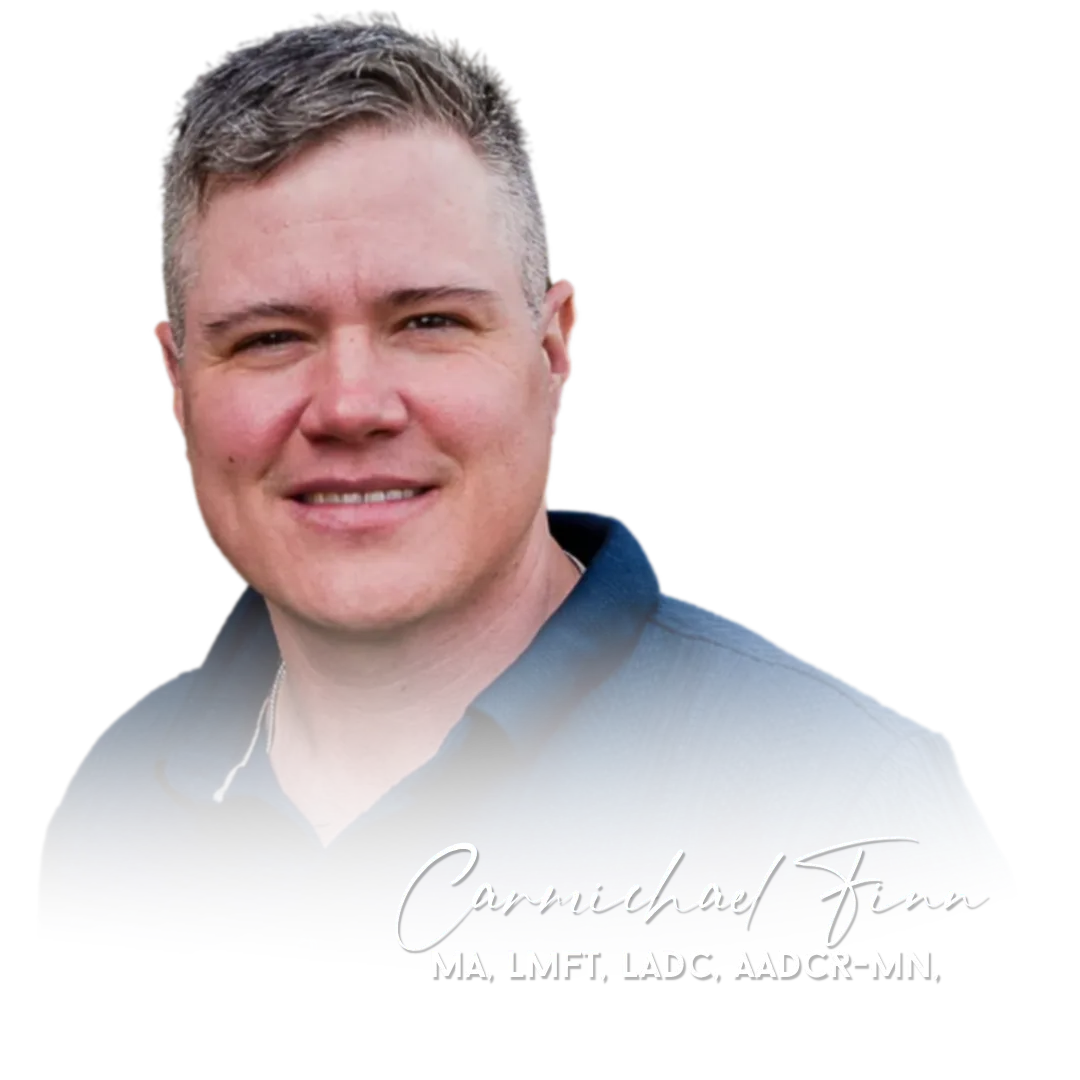
If you work with youth in SUD settings, this one's for you. Join Carmichael Finn, MA, LMFT, LADC, AADCR-MN, Executive Director of RHTC, for a 30-hour in-person training on Adolescent Development & Substance Use Disorder on June 15–18, 2026 in Mora, MN.
Whether you’re taking your first step or finding your way back to yourself, you don’t have to do this alone. At Recovering Hope, we meet you exactly where you are with compassion, understanding, and real support that helps you move forward.
Minnesota-Based Addiction Recovery Treatment Center
You don’t have to navigate this alone. At Recovering Hope, we provide compassionate, evidence-based care to help you or your loved one take the next step toward lasting recovery.


© Copyright 2026 Recovering Hope. All rights reserved.