The Power of Empathy: Why Connection is the Heart of Healing

by | Mar 30, 2026 | Articles, Family and support, Leadership Insights, Recovering Hope Treatment Center Updates

The Power of Empathy: Why Connection is the Heart of Healing
Elon Musk's recent assertion on The Joe Rogan Experience that “the fundamental weakness of Western civilization is empathy” sparks a conversation that hits close to home for those of us who walk alongside individuals struggling with co-occurring disorders. From my perspective as a relational therapist, this statement misses the profound, transformative role empathy plays in healing and human connection.

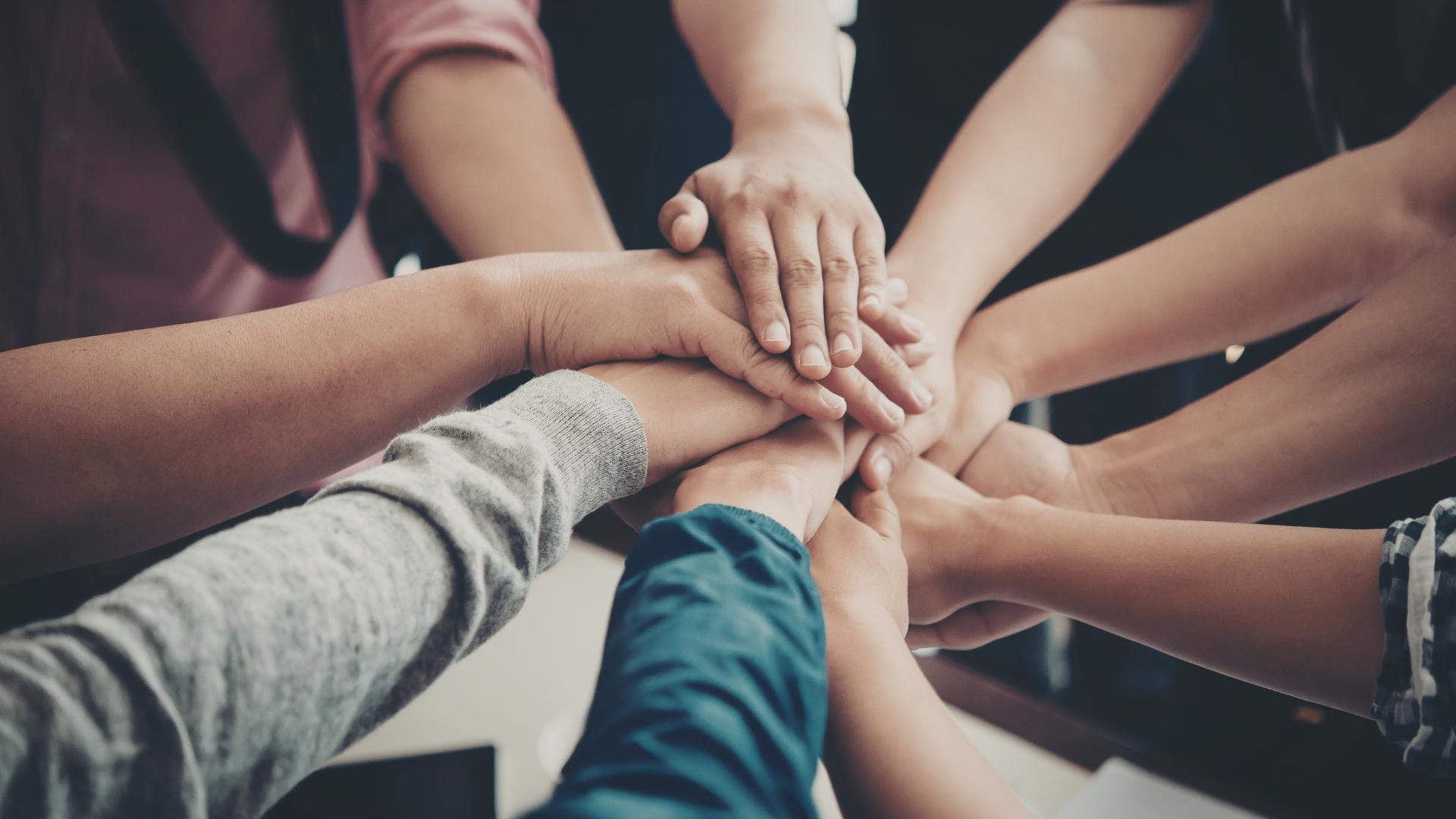
Empathy isn’t weakness. It is the bridge that turns isolation into healing, shame into hope, and pain into connection.

Empathy: The Heartbeat of Healing

In the realm of mental health and substance use treatment, empathy isn't just a nice sentiment—it’s the foundation of healing. When someone is battling both addiction and mental health challenges, they often find themselves trapped in cycles of shame, isolation, and despair. Empathy is the bridge that invites them into connection, allowing them to feel seen, heard, and understood without judgment.

Therapeutic approaches like Motivational Interviewing and Cognitive Behavioral Therapy rely on empathy to foster trust and create a safe space for individuals to explore their struggles. But beyond the clinical techniques, it’s the simple human experience of “being with” someone in their pain that helps individuals rediscover hope and the possibility of change.

Connection: The Antidote to Addiction

It’s often said that “the opposite of addiction is connection.” Addiction thrives in loneliness, secrecy, and disconnection. Recovery, on the other hand, is built upon relationships and belonging. Empathy is the foundation of these relationships. It’s what allows one person to say to another, “I see you. I hear you. You matter.”

When we think about how people heal from addiction, it’s often within the context of community—treatment groups, supportive friendships, family connections, or mentorships. These connections aren’t superficial; they are rooted in genuine, empathetic understanding. Without empathy, the walls of isolation remain intact, and recovery becomes a much steeper climb.

Why empathy matters in recovery

  • Builds trust and emotional safety
  • Reduces shame and isolation
  • Supports vulnerability and honesty
  • Strengthens community, belonging, and hope

The Loneliness Epidemic: A Silent Crisis for Men

Our society is facing a loneliness epidemic, and men are disproportionately affected. Research shows that men are experiencing what some call a “friendship recession,” with fewer close relationships and increased social isolation. This disconnection doesn't just hurt emotionally; it contributes to serious health issues, including depression, anxiety, and increased mortality risks.

Men, especially, are often conditioned to believe that vulnerability is weakness, that asking for help is unmanly, and that their emotional needs should be silenced. Empathy has the power to dismantle this harmful narrative. When we offer empathy to men who are struggling, we give them permission to be human—to feel, to struggle, to connect. And in that connection, healing can begin.

It doesn’t take an actual rocket scientist to discern that a man like Elon Musk, proclaiming empathy as a potential weakness to society, can further these toxic beliefs. Such statements risk reinforcing damaging stereotypes that discourage men from embracing vulnerability and seeking connection. When empathy is dismissed, it not only silences emotional expression but also deepens the isolation many men already face.

Empathy as a Strength, Not a Weakness

Contrary to Musk’s claim, empathy is not a flaw in our societal framework—it is one of our greatest strengths. Empathy is what fuels compassion, inspires justice, and forges bonds that make communities resilient. It empowers us to stand with those who are hurting and to extend a hand of connection to those who feel forgotten. It is not a weakness to feel for others; it is a profound strength to bear witness to someone else’s pain and choose to respond with care.

When we diminish the value of empathy, we risk promoting disconnection and reinforcing isolation. We risk overlooking the simple, human truth that we all need to be seen and heard to feel truly alive.

Embracing Empathy for a Healthier Future

If we truly want to heal the fractures in our society—if we want to support those navigating co-occurring disorders, combat the loneliness epidemic, and build stronger communities—we must choose empathy. We must normalize emotional expression, foster meaningful connections, and honor the courage it takes to be vulnerable. We must redefine strength not as the absence of emotion, but as the courage to feel and connect.

Empathy isn’t holding us back; it’s propelling us forward. It’s the heart of every genuine connection, every moment of healing, and every step toward a more compassionate world.

In the end, it is empathy that reminds us that we are never truly alone. And perhaps, in a world that feels increasingly disconnected, that’s the most powerful truth of all.

About Carmichael Finn

Carmichael Finn MA, LMFT, LADC, ADCR-MN is a relational therapist and behavioral health professional committed to helping individuals and families heal through compassion, connection, and evidence-based care.

The Door Is Open. So Why Don’t More People Walk Through It?

Nearly 28 million Americans live with alcohol use disorder. Fewer than 3% receive medication-assisted treatment. The gap between needing help and getting it is not a mystery — it is a wall built from shame, fear, and silence.

Lost & Found: The Heroin Epidemic and a Generation Fighting Back

Every year during Black Maternal Health Week, we are reminded of a painful truth: Black women in America die from pregnancy-related causes at rates that no high-income nation should accept. These deaths are not inevitable. They are the result of systems — of bias, of neglect, of a healthcare culture that has historically discounted Black women’s pain, their instincts, and their lives.

Black Maternal Health & the Path to Healing

Every year during Black Maternal Health Week, we are reminded of a painful truth: Black women in America die from pregnancy-related causes at rates that no high-income nation should accept. These deaths are not inevitable. They are the result of systems — of bias, of neglect, of a healthcare culture that has historically discounted Black women’s pain, their instincts, and their lives.

Recovering Hope: Living Fully with Parkinson’s

Every April 11, the world pauses to honour the memory of Dr. James Parkinson — who first described the condition in 1817 — and to shine a light on the more than 10 million people living with his namesake disease today. This World Parkinson’s Day, we don’t simply mark the challenges. We celebrate the extraordinary, daily will to recover hope.

What’s Actually Happening Inside Your Brain

Addiction is a brain disorder. It hijacks the very systems your brain uses to survive — your reward pathways, your stress responses, your emotional memory. Understanding this isn’t about removing accountability. It’s about making real, lasting recovery possible.

You Don’t Have to Choose Between Getting Better and Being a Parent

Across Minnesota, thousands of mothers are silently fighting addiction — not because they don’t want help, but because the thought of being separated from their children feels like losing everything. We want you to know: there is a better way.

Understanding Alcohol Related Liver Disease

Understanding the physical consequences of alcohol use isn’t about shame — it’s about clarity. When you know what’s happening inside your body, you’re better equipped to make the brave choice to heal. At Recovering Hope, this is a conversation we believe in having openly, and with compassion.

Rural Addiction Treatment in Minnesota: Why Local Care Matters

When someone is ready to seek help for addiction, timing is everything. The difference between getting care today and waiting weeks — or not going at all — can be life-changing. For people living in rural Minnesota, that gap has historically been one of the biggest barriers to recovery.

At Recovering Hope Treatment Center in Mora, MN, we believe that where you live shouldn’t determine whether you get the help you need. Here’s why local, rural-based care is not just convenient — it’s a critical part of lasting recovery.

Is Detoxing from Heroin Dangerous? What You Need to Know

communities across the country. One of the most common—and most important—questions we hear is: “Is it dangerous to detox from heroin?” The honest answer is yes—it can be, especially without proper medical care. But avoiding detox altogether is far more dangerous. At Recovering Hope, we believe education saves lives. Let’s walk through what you need to know. Understanding the Risks of Heroin Detox Detox is often the first step toward recovery—but it can also be one of the most physically and emotionally challenging.

Finding Your Way Back After Emotional Abuse

Emotional abuse can leave deep wounds that are not always visible. Healing is possible, and recovery begins with support, safety, and hope. Emotional abuse does not always leave bruises, but the effects can be just as painful and long-lasting. Many women struggle for years before recognizing that what they experienced was abuse. Others know something is wrong but feel trapped, confused, or disconnected from themselves.

At Recovering Hope, we understand that emotional abuse can impact every part of a person’s life— confidence, relationships, mental health, and sense of identity. The good news is that healing is possible.

What Is Emotional Abuse?
Emotional abuse is a pattern of manipulation, control, intimidation, and psychological harm used to overpower another person. It may happen in romantic relationships, families, friendships, or other close connections. Instead of physical violence, emotional abuse often targets a person’s sense of worth and reality. Over time, this can make someone question their own thoughts, feelings, and memories.