Fentanyl as a “Weapon of Mass Destruction”: Why Behavioral Health Is Paying Close Attention
December 17, 2025
Fentanyl as a “Weapon of Mass Destruction”: Why Behavioral Health Is Paying Close Attention
By Carmichael McKinley Finn — Executive Director at Recovering Hope, licensed therapist & addiction counselor, and adjunct faculty member
The designation of fentanyl as a weapon of mass destruction has made many in behavioral health uneasy—not because the crisis isn’t real, but because we remember what happened the last time the government declared a war on drugs.
Addiction was criminalized, communities were devastated, and use did not decline. If this policy targets people who use substances, we have failed again. If it targets the supply chain that profits from mass poisoning, it may finally move us in the right direction.
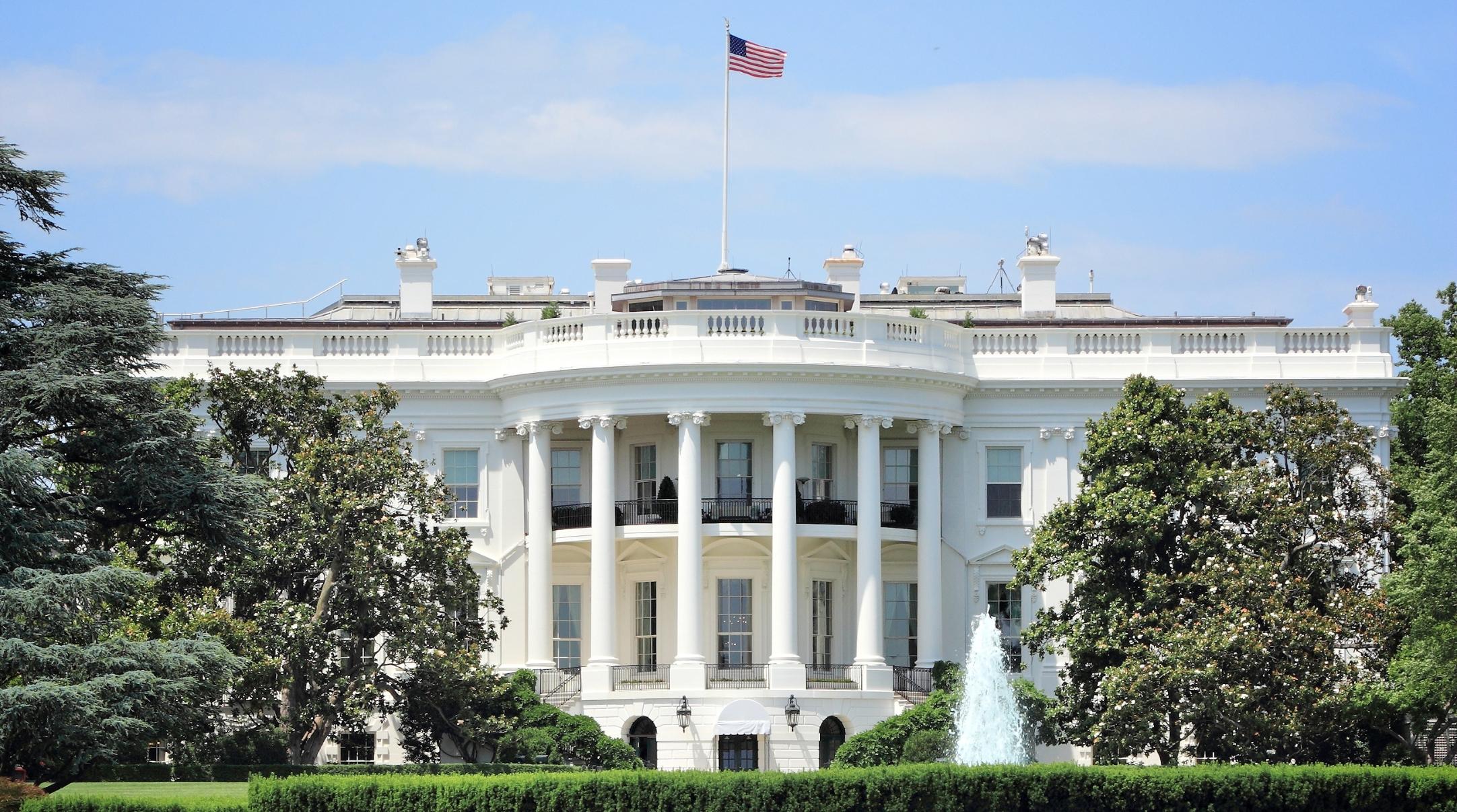
A few days ago, the White House formally designated illicit fentanyl as a Weapon of Mass Destruction (WMD). On its face, that language is jarring. For those of us who have spent our careers in addiction treatment, recovery services, and public health, it immediately triggers a familiar unease.
Still, this designation deserves a careful look rather than a reflexive rejection.
Why This Declaration Matters
The administration’s declaration does not come out of nowhere. Illicit fentanyl is responsible for tens of thousands of overdose deaths each year. It is highly potent, easily transported, and embedded deep within transnational criminal supply chains.
Calling it a WMD signals something specific: an attempt to move the problem upstream—away from individual users and toward the systems that manufacture, traffic, and profit from mass poisoning.
For years, behavioral health professionals have argued that focusing on users is not only ineffective, but harmful. Addiction is a disease. Treating it primarily through punishment has never reduced use, never reduced harm, and never saved lives.
Why Providers Are Nervous
The language of “weapons,” “war,” and “mass destruction” is pulled straight from the playbook of the 1980s War on Drugs. That era did not curb substance use. What it did accomplish was mass incarceration, generational trauma, racial inequity, and the criminalization of people who needed care.
Providers remember how quickly policy language aimed at “dealers” became handcuffs on people struggling with addiction—and how often families and communities paid the price while the top of the supply chain walked away wealthy and untouched.
The fear is not abstract. It is earned.
The Line That Must Not Be Crossed
Let’s be clear about what is at stake.
- If this designation is used to expand prosecution of people who use drugs, we have failed again.
- If it becomes justification for harsher penalties, longer sentences, or increased surveillance of marginalized communities, then we will have learned nothing.
- If it is used to unlock tools aimed at the origin points of the supply chain, it could mark a meaningful shift.
What Success Would Actually Look Like
Recently, in Minnesota, it was reported that a thirteen-year-old brought 1,500 fentanyl-laced pills to school.
I am not interested in locking that child up. I am interested in stopping those pills from ever existing in the first place.
If designating fentanyl as a WMD allows the federal government to pursue international traffickers, disrupt chemical precursor pipelines, freeze assets, and dismantle networks that profit from death, then this policy could align with public health rather than undermine it.
What Behavioral Health Needs Right Now
Behavioral health providers are asking for clarity, guardrails, and accountability:
- Assurance that treatment will not be replaced with punishment.
- Explicit protections against criminalizing substance use.
- Continued investment in prevention, harm reduction, detox access, and long-term treatment—not just enforcement headlines.
Addiction is not defeated by fear, force, or slogans. It is addressed through care, stability, and systems that value human life over profit.
A Cautious Hope
This designation could go very wrong. History tells us that.
But it could also be used to finally target the machinery that keeps fentanyl flowing into this country while children die and families are torn apart. Those of us in behavioral health are watching closely—not because we oppose action, but because we know exactly who pays the price when drug policy gets it wrong.
About the Author
Carmichael McKinley Finn is an Executive Director at Recovering Hope, a licensed therapist and addiction counselor, and an adjunct faculty member teaching future behavioral health professionals. He works at the intersection of clinical care, policy, ethics, and systems change, with a focus on keeping treatment humane, evidence-based, and grounded in reality rather than rhetoric.
Need Support or Help for a Loved One?
Recovering Hope provides compassionate, evidence-based treatment for substance use and mental health.
Phone: 844-314-HOPE
Email: referrals@recoveringhope.life
Website: https://recoveringhope.life