Nitazenes: The Next Wave in America’s Overdose Crisis. And Why Providers Must Act Now
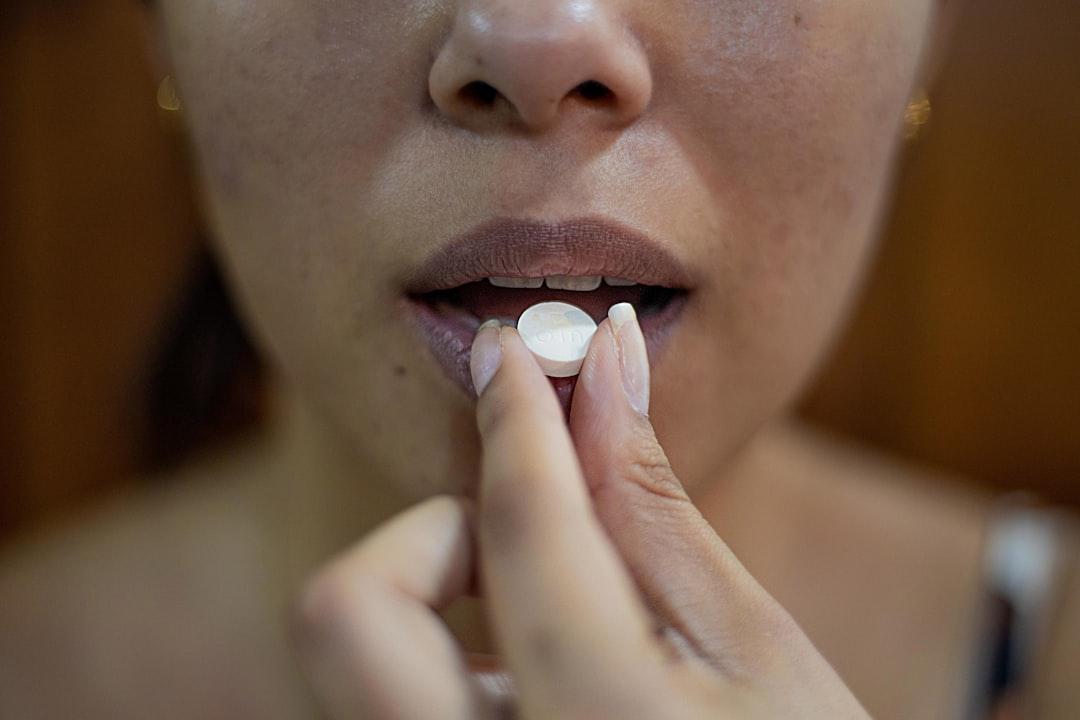
Nitazenes, an ultra-potent class of synthetic opioids up to 40 times stronger than fentanyl, are rapidly infiltrating the U.S. drug supply, often without people knowing they’re taking them. As these compounds drive a new wave of overdoses, treatment providers must act quickly: educate clients, expand harm-reduction efforts, and prepare for overdoses requiring multiple doses of naloxone.
Over the last decade, we’ve watched fentanyl reshape the landscape of substance use in America. Overdoses changed. Risk patterns changed. Treatment changed. And now, something even more potent is entering the supply—quietly and quickly.
Need help for yourself or someone you love?
Call 844-314-HOPE or email referrals@recoveringhope.life
What Are Nitazenes?
Nitazenes (benzimidazole-opioids) are a class of synthetic opioids first developed by a Swiss pharmaceutical company in the late 1950s but never approved for medical use in the United States. After decades of near invisibility, they began reappearing in illicit drug markets around 2019.How Potent Are Nitazenes?
Nitazenes range from slightly less potent than fentanyl to more than 40 times stronger, with some analogs reaching thousands of times the potency of morphine.-
- Fentanyl: 25–50× stronger than heroin
-
- Some nitazenes: 5–9× stronger than fentanyl
-
- Others: up to 25–43× stronger
Why Are Nitazenes Showing Up in the Drug Supply?
-
- Mixed with fentanyl
-
- Sold as heroin
-
- Hidden in counterfeit pain pills
-
- Laced into benzodiazepine-like pills
-
- Blended into powders to cheaply increase potency
What Providers Must Do Now
-
- Educate clients immediately using non-shaming harm-reduction language
-
- Encourage multiple naloxone kits
-
- Normalize conversations about supply unpredictability
-
- Integrate nitazene education into groups and sessions
-
- Train staff on rapid overdose recognition and response
Awareness is prevention. Education is prevention. Compassion is prevention.
Call 844-314-HOPE • Email referrals@recoveringhope.life