What’s Actually Happening Inside Your Brain
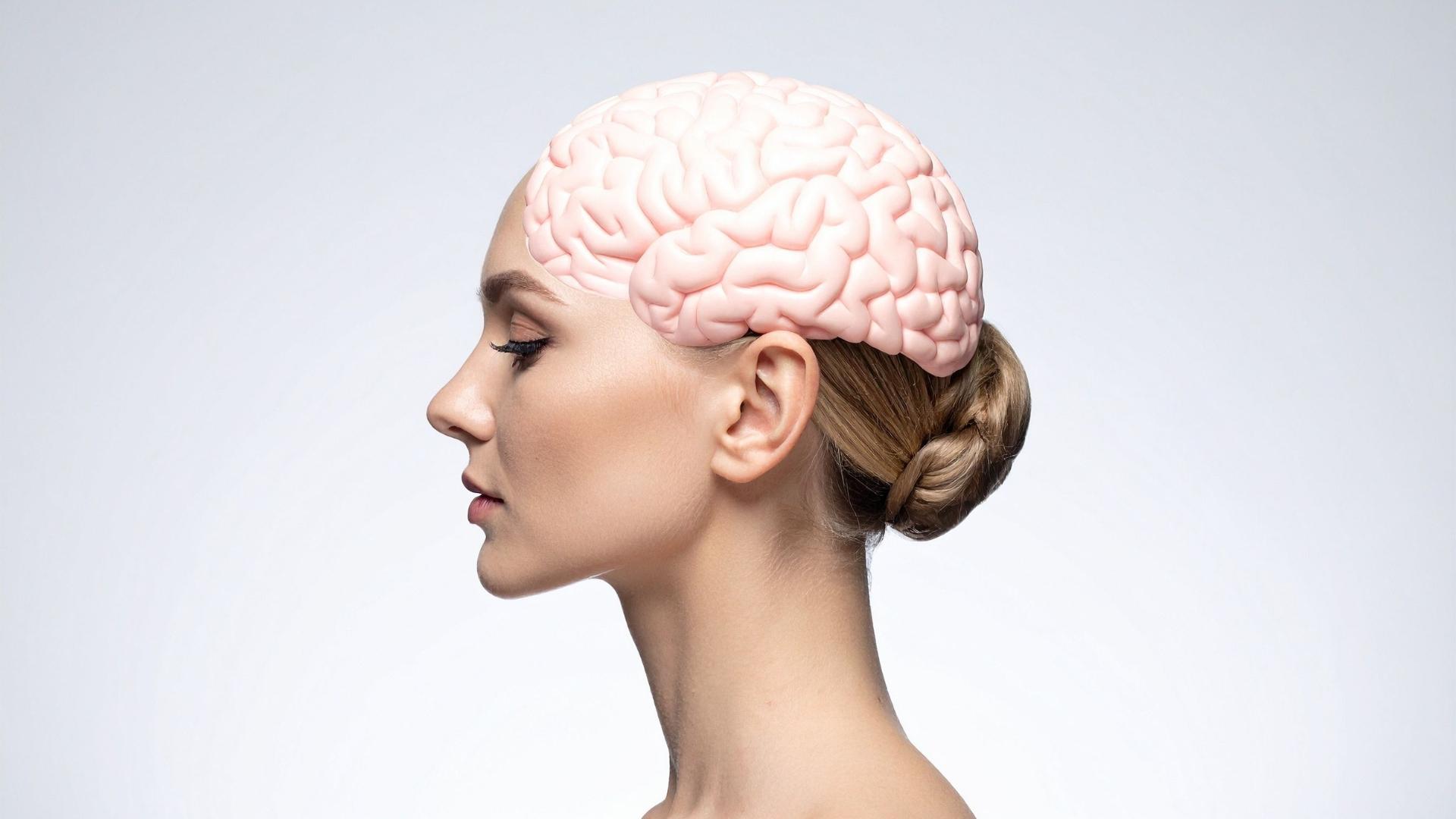
Your Brain Isn't Broken.
It's Been Trying to Protect You.
Understanding the neuroscience of addiction and trauma — and why clinical, family-centered treatment is the most powerful path forward.
What's Actually Happening
Inside Your Brain
One of the most damaging myths about addiction is that it's a choice — a moral failing, a weakness, a lack of willpower. After more than two decades of clinical work, I want to be direct: that is not what the science shows, and it is not what I see in the people I work with every day.
Addiction is a brain disorder. It hijacks the very systems your brain uses to survive — your reward pathways, your stress responses, your emotional memory. Understanding this isn't about removing accountability. It's about making real, lasting recovery possible.
What the research tells us: The American Society of Addiction Medicine defines addiction as a treatable, chronic medical disease involving complex interactions among brain circuits, genetics, the environment, and an individual's life experiences.
The amygdala: your brain's emotional control center
At the center of the addiction and trauma conversation is a small, almond-shaped structure called the amygdala. It governs how your brain processes fear, stress, emotional memories, and reward. When trauma or prolonged substance use enters the picture, the amygdala becomes dysregulated — and the effects ripple through every part of your life.
Fear Response
Recognizes and reacts to potential threats — real or perceived. Trauma keeps this system in a constant state of high alert.
Reward Processing
Substances hijack the brain's reward circuitry, making natural rewards feel flat while cravings intensify.
Stress Regulation
Governs the body's physiological stress response. Chronic stress from trauma or addiction dysregulates this system over time.
Emotional Memory
The amygdala attaches emotional significance to memories — which is why certain places, people, or feelings can trigger intense cravings years later.
Defense Mechanisms
Processes stimuli that trigger defensive behaviors as a survival mechanism — often misread as aggression or resistance to help.
Emotional Regulation
Collaborates with the prefrontal cortex to regulate emotional responses. This connection weakens with prolonged substance use.
The prefrontal cortex — the part of your brain responsible for rational decision-making, impulse control, and long-term planning — is also significantly impacted. This is why people in active addiction often make choices that seem irrational from the outside. Their brain's executive function has been compromised. They are not simply choosing poorly. They are operating with impaired neurological equipment.
Why Trauma and Addiction
Are Almost Always Connected
In my clinical experience, trauma and substance use disorder are rarely separate stories. They are usually the same story, told in two languages.
Trauma — whether from childhood abuse, domestic violence, loss, or chronic stress — physically alters brain structure and function. The hippocampus shrinks. The amygdala becomes hyperreactive. The prefrontal cortex loses its ability to regulate emotional responses effectively.
Substances, for many people, begin as a solution — a way to quiet a nervous system that never learned how to feel safe. They work, for a while. And then they stop working and create a new crisis on top of the original wound.
"We don't ask why the addiction. We ask what happened — and what the addiction was trying to solve."— Carmichael Finn, MA, LMFT, LADC · Recovering Hope
This is why treatment that addresses only the substance — and not the underlying trauma — so often leads to relapse. The brain hasn't learned a new way to regulate. It hasn't processed what drove the use in the first place. When stress returns, and it will, the old pathways light up.
Effective treatment must work at the level of the nervous system. It must create safety — in the body, in the environment, in relationships — before it can expect lasting behavioral change.
For women and mothers specifically: Research consistently shows that women are more likely to experience trauma-related addiction pathways, and more likely to achieve lasting recovery in gender-responsive, family-inclusive treatment environments. This is the foundation of how Recovering Hope was designed.
Recovery Is a Process —
Not a Single Event
One of the most important things I tell clients — and their families — is that recovery is not a destination you arrive at. It is a process of building new neural pathways, new coping skills, new relationships, and a new relationship with yourself. That takes time. It takes clinical expertise. And it takes the right environment.
Safety and Stabilization
Before any meaningful therapeutic work can happen, the brain and body need to feel safe. This is why the first stage of treatment focuses on physical stabilization, environmental safety, and building trust with the clinical team.
Trauma Processing
Using evidence-based approaches — EMDR, CBT, DBT, and family systems therapy — we work to process the underlying experiences driving addictive behavior. This is where the deepest and most lasting change happens.
Skill Building and Integration
New emotional regulation skills, relationship patterns, and coping strategies are practiced and integrated into daily life — including parenting, communication, and managing stress without substances.
Community and Continuity
Long-term recovery is sustained through connection — peer support, family healing, community resources, and a clinical aftercare plan tailored to each person's life. At Recovering Hope, we build this village with you.
For many people, MAT — including Suboxone, Vivitrol, or methadone — is a clinically appropriate and evidence-based component of recovery. It reduces cravings, stabilizes brain chemistry, and creates space for the deeper therapeutic work to happen. Our team can help you understand whether MAT is right for your situation. Call us at 844-314-4673.
Four Pathways, One Goal —
Your Lasting Recovery
At Recovering Hope, every program is built on the same clinical foundation: trauma-informed, gender-responsive, family-centered care. The right fit depends on where you are right now — and our team will help you figure that out on a free call.
Women's Residential SUD Treatment
Live-in, family-inclusive care — our most comprehensive program. Children welcome on-site.
Outpatient Substance Use Treatment
Intensive therapy several days a week while maintaining daily family life and responsibilities.
Outpatient Lodging
Safe, supportive housing paired with outpatient treatment — removing the stability barrier to care.
Mental Health Services
Integrated mental health care treating trauma, anxiety, depression, and PTSD alongside addiction.
Minnesota Medical Assistance (Medicaid) accepted. Same day access is available. You don't need to have everything figured out before you call — that's what the call is for.
Ready to Learn What
Treatment Could Look Like for You?
Our team is here to answer your questions — about our programs, about what to expect, about insurance, about bringing your children. No pressure. No commitment. Just a real conversation with people who know this work.
Free, confidential · Same day access available · Medicaid accepted
inquiries@RecoveringHope.life · Mora, Minnesota